
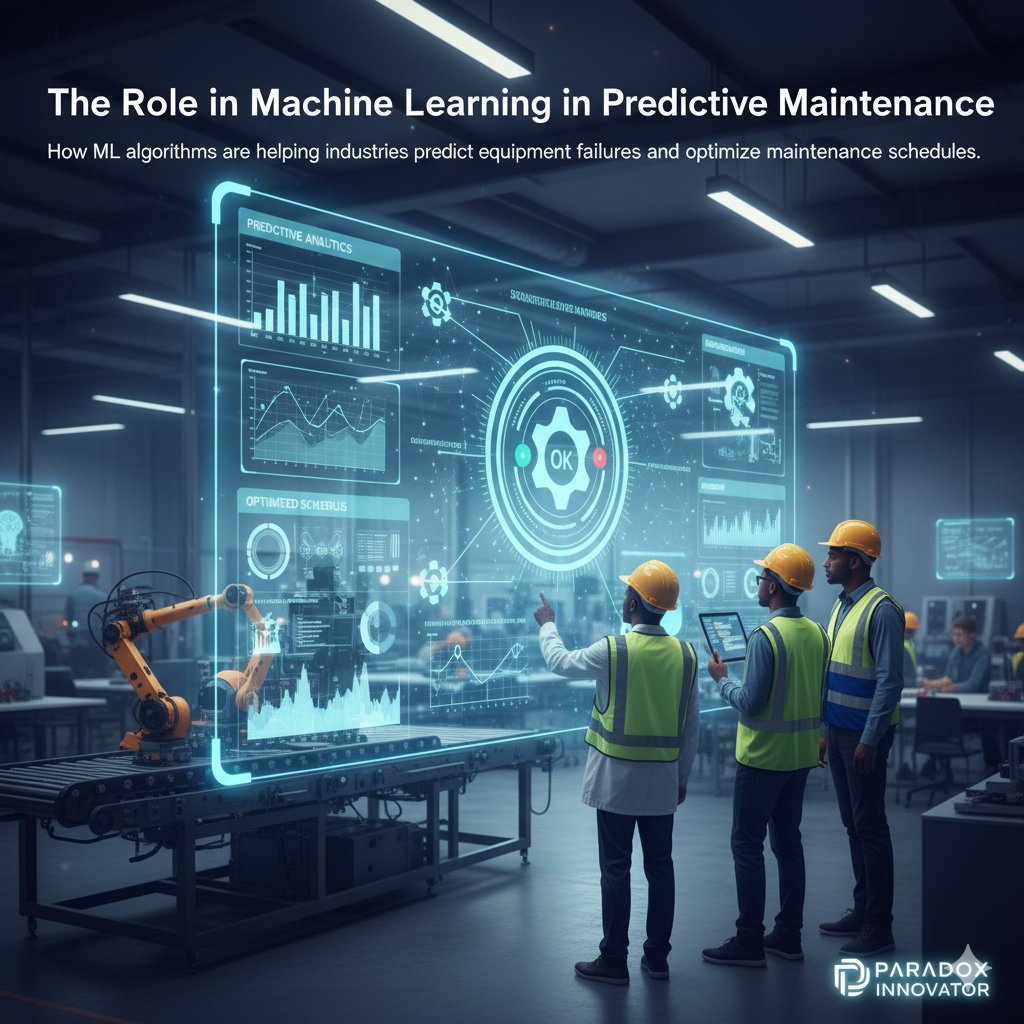
In today's industrial landscape, unexpected equipment failures can lead to costly downtime and reduced efficiency.Predictive maintenance has emerged as a solution, leveraging data and analytics to anticipate failures before they occur. By combining traditional sensors with machine learning algorithms, industries can now optimize maintenance schedules and extend the lifespan of critical equipment.
Machine Learning in Predictive Maintenance
Machine learning (ML) algorithms analyze historical and real-time data from machinery to detect patterns indicating potential failures. Common approaches include:
- Regression Models: Predict wear and tear trends based on historical sensor readings.
- Classification Models: Categorize equipment states as normal or at risk of failure.
- Anomaly Detection: Identify unusual behavior that might indicate impending breakdowns.
- Deep Learning: Handle complex datasets, such as vibration or acoustic signals, for accurate failure prediction.
By continuously monitoring equipment and learning from data, ML systems can schedule maintenance only when necessary, reducing unnecessary inspections and preventing unplanned downtime.
Benefits for Industries
- Reduced Downtime: Maintenance is performed proactively, preventing sudden failures.
- Cost Savings: Optimized maintenance schedules lower operational costs and spare parts expenses.
- Improved Equipment Lifespan: Timely interventions prevent excessive wear and tear.
- Data-Driven Decisions: Real-time analytics help managers prioritize critical machines.
Challenges and Considerations
While ML-powered predictive maintenance offers significant benefits, there are challenges to consider:
- Data Quality: Accurate predictions require clean, comprehensive sensor data.
- Integration: Existing industrial systems may need upgrades to support real-time monitoring.
- Expertise: Developing and maintaining ML models requires skilled data scientists and engineers.
Conclusion
Machine learning is revolutionizing predictive maintenance by enabling industries to foresee equipment failures, reduce downtime, and optimize operations. Companies embracing these technologies can achieve significant operational efficiency, cost savings, and competitive advantage in the rapidly evolving industrial landscape.